

Encouraging independence and confidence in young children is one of the most meaningful investments adults can make in a child’s future. These qualities influence how children approach learning, handle challenges, build relationships, and develop a sense of self-worth. Independence does not mean pushing children to grow up too fast; rather, it means supporting them in doing what they are developmentally ready to do on their own. Confidence grows naturally when children experience success, effort, and trust from the adults around them.
In early childhood, independence and confidence are shaped through everyday interactions—putting on shoes, expressing emotions, solving simple problems, and making choices. Children who are given opportunities to try, fail safely, and try again begin to see themselves as capable individuals. Over time, these small moments accumulate into strong internal beliefs: “I can do this” and “I am trusted.” This article explores practical, research-informed ways to nurture these traits with intention and care.
- Creating Predictable Routines That Empower Children
- Allowing Children to Try, Struggle, and Succeed
- Offering Real Choices to Build Decision-Making Skills
- Encouraging Social Independence Through Peer Interaction
- Designing a Child-Centered Learning Environment
- Teaching Self-Help Skills Through Daily Responsibilities
- Supporting Emotional Independence and Self-Regulation
- Building Confidence Through Language and Communication
- Partnering With Educators to Reinforce Independence
- Preparing Children for Long-Term Independence
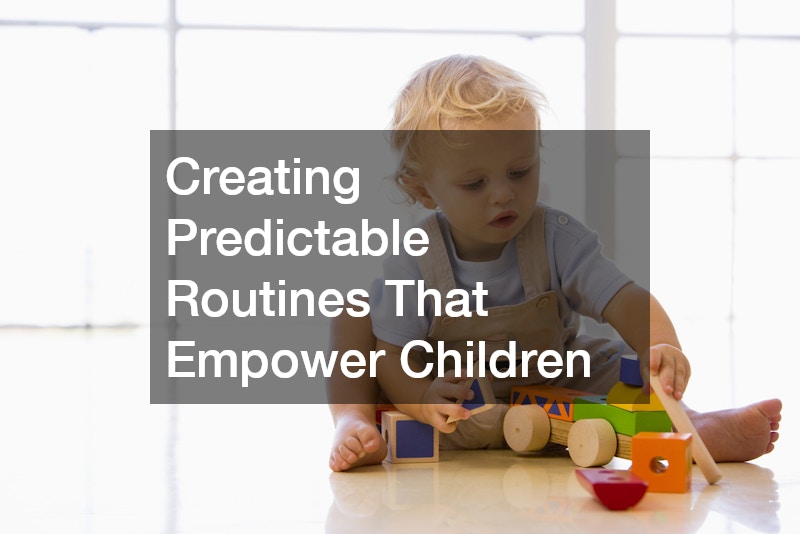
Creating Predictable Routines That Empower Children
Predictable routines play a powerful role in helping young children feel secure and capable. When children know what to expect, they are more likely to participate actively rather than rely on constant adult direction. Consistent daily rhythms—such as morning routines, mealtimes, and bedtime rituals—reduce anxiety and create a framework within which children can practice independence. Over time, routines become internalized, allowing children to take initiative without being prompted.
In environments like child care, routines also help children transition smoothly between activities and expectations. When a child knows the sequence of the day, they can mentally prepare for what comes next and engage more confidently. Predictability does not mean rigidity; flexibility within a familiar structure helps children adapt while still feeling grounded. Adults can reinforce routines by narrating steps, using visual schedules, and inviting children to take ownership of parts of the process.
To make routines more empowering:
-
Break tasks into manageable steps that children can remember.
-
Use consistent language and cues to signal transitions.
-
Allow extra time so children can complete tasks independently.
After routines are established, it’s important to resist the urge to intervene too quickly. When children are trusted to follow familiar patterns, they develop self-reliance and pride in their abilities. This balance of structure and trust is foundational to long-term confidence.
Allowing Children to Try, Struggle, and Succeed
One of the most effective ways to build confidence is to allow children to experience productive struggle. When adults step in too quickly, children may miss opportunities to problem-solve and persevere. Stripping a child of struggle may feel supportive in the moment, but it can unintentionally communicate a lack of confidence in their abilities. Allowing children to try—even when the outcome is uncertain—teaches resilience and self-belief.
In many preschool programs, educators intentionally design activities that are slightly challenging but achievable. This “just-right” level of difficulty encourages children to stretch their skills while still experiencing success. Adults support the process by offering encouragement rather than solutions, using phrases like “What do you think might work?” or “Try it another way.” These prompts keep ownership of the task with the child.
Parents and caregivers can apply the same approach at home by:
-
Waiting a few moments before offering help.
-
Asking guiding questions instead of fixing the problem.
-
Celebrating effort rather than outcomes.
After a child succeeds—especially after struggling—it’s important to reflect on the experience. Talking about what worked reinforces learning and strengthens confidence. Even when attempts don’t lead to success, children learn that mistakes are part of growth, not something to fear.
Offering Real Choices to Build Decision-Making Skills
Offering choices is a practical and effective way to support independence. When children make decisions, they practice evaluating options, anticipating outcomes, and taking responsibility for their actions. The key is to offer choices that are meaningful but manageable, ensuring that all options are acceptable to the adult. This empowers children without overwhelming them.
In structured environments like a private school, educators often integrate choice within clear boundaries. For example, children may choose which activity to start with or which materials to use for a project. These small decisions help children feel respected and capable, reinforcing the idea that their preferences matter. Over time, repeated opportunities to choose build internal confidence.
Effective choice-giving includes:
-
Limiting options to two or three.
-
Presenting choices calmly and without pressure.
-
Respecting the child’s decision whenever possible.
After a choice is made, adults should support the outcome rather than second-guess it. If a child experiences a natural consequence, this becomes a learning opportunity rather than a failure. Thoughtfully offering choices teaches children that they are active participants in their lives.
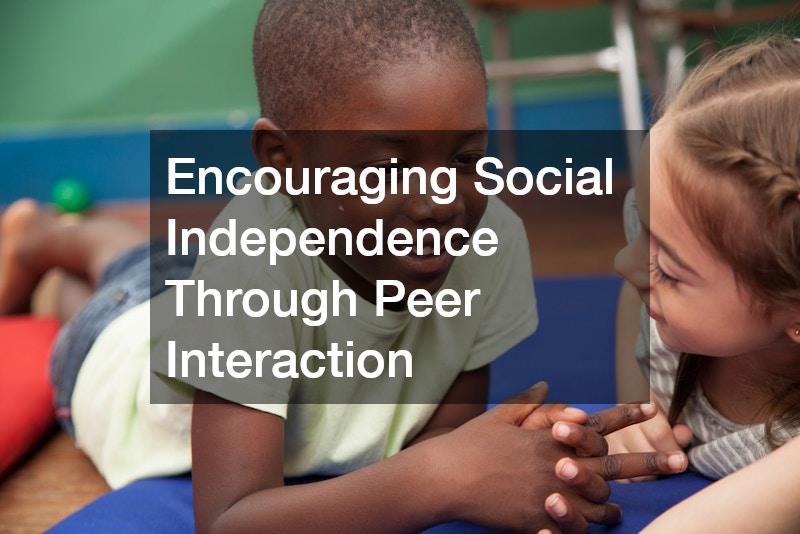
Encouraging Social Independence Through Peer Interaction
Social independence is a critical component of confidence in young children. Interacting with peers helps children learn to communicate, negotiate, and resolve conflicts independently. While adult guidance is important, too much intervention can prevent children from developing these essential skills. Observing first and stepping in only when necessary allows children to build competence.
Group environments like summer camp offer rich opportunities for social growth. Children practice navigating friendships, following group norms, and advocating for themselves in new situations. These experiences help children realize they can handle unfamiliar social dynamics. Over time, successful peer interactions strengthen self-esteem and emotional resilience.
Adults can support social independence by:
-
Encouraging children to speak for themselves.
-
Coaching language for problem-solving rather than solving problems.
-
Validating feelings without taking over.
After social challenges, reflection is key. Talking through what happened helps children process emotions and identify strategies for the future. This reflection also helps them recognize patterns in their behavior and responses. With consistent support, children learn that they are capable of managing social situations on their own.
Designing a Child-Centered Learning Environment
The physical environment plays a significant role in fostering independence. Spaces designed with children in mind invite exploration, autonomy, and responsibility. When materials are accessible and organized, children can make choices and complete tasks without constant adult assistance. This sense of ownership builds confidence over time.
The philosophy behind Montessori preschool emphasizes child-centered environments that promote self-direction. Furniture is sized appropriately, materials are arranged intentionally, and activities are designed for independent use. This setup communicates trust in the child’s abilities and encourages initiative. Children learn to select, use, and return materials independently.
Key elements of an independence-supportive environment include:
-
Low shelves with clearly defined spaces.
-
Simple, functional tools children can manage.
-
Calm, uncluttered areas that support focus.
When children can navigate their environment successfully, they develop a sense of competence. Adults support this process by maintaining order and modeling respect for shared spaces. Encouraging children to make choices and care for their environment further deepens their ownership and responsibility. Over time, children internalize these habits, strengthening both independence and confidence.
Teaching Self-Help Skills Through Daily Responsibilities
Self-help skills are foundational to independence. Tasks like dressing, cleaning up, and serving food may seem small, but they contribute significantly to a child’s sense of capability. When children participate in daily responsibilities, they learn that they are valued contributors to their community. This participation fosters pride and self-respect.
In a day care center, daily routines often include age-appropriate responsibilities such as tidying toys or setting up for activities. These tasks are not chores but opportunities for learning. With consistent practice and encouragement, children become more confident in managing their own needs. Adults play a crucial role by allowing enough time for children to complete tasks independently.
To support self-help skill development:
-
Teach skills step by step.
-
Offer encouragement without taking over.
-
Accept effort even when results are imperfect.
After responsibilities are completed, acknowledgment matters. Simple recognition reinforces the child’s sense of accomplishment. Celebrating even small successes helps children feel capable and motivated to take on new challenges. Over time, these daily practices build a strong foundation for independence across all areas of life.
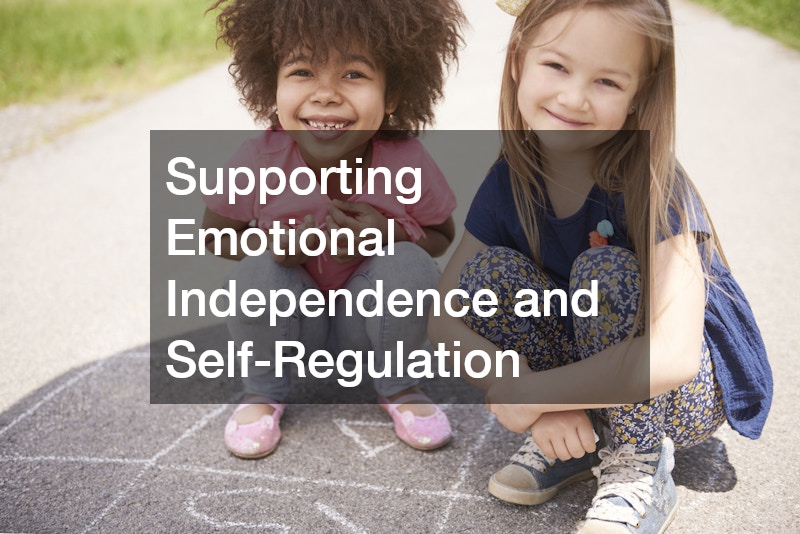
Supporting Emotional Independence and Self-Regulation
Emotional independence involves recognizing, expressing, and managing feelings in healthy ways. Young children need guidance to develop these skills, but they also need opportunities to practice independently. When children learn to regulate emotions, they gain confidence in handling challenges and setbacks. Emotional competence supports independence in both social and academic contexts.
Structured experiences like a summer program often introduce new routines, peers, and expectations. These changes can be emotionally challenging, but they also provide valuable learning opportunities. With supportive adults, children practice coping strategies such as deep breathing, using words to express feelings, and seeking help appropriately. Over time, these skills become internalized.
Adults can encourage emotional independence by:
-
Naming emotions and validating experiences.
-
Teaching simple calming techniques.
-
Encouraging problem-solving after emotions settle.
Reflection after emotional moments is essential. Talking about what helped and what could be tried next time empowers children to take ownership of their emotional growth. Confidence grows as children realize they can navigate their feelings successfully, even during moments of stress or frustration.
Building Confidence Through Language and Communication
Language is a powerful tool for independence. When children can express needs, ideas, and emotions clearly, they are better equipped to advocate for themselves. Strong communication skills also support social confidence and problem-solving. Encouraging children to use language independently reinforces their sense of agency.
In environments like Spanish immersion daycare, children gain confidence by navigating communication across languages. This experience strengthens cognitive flexibility and self-assurance. Successfully expressing oneself in any language reinforces the belief that challenges can be overcome. Adults support this growth by modeling respectful communication and encouraging participation.
Strategies to support communication include:
-
Giving children time to respond.
-
Encouraging storytelling and conversation.
-
Respecting all attempts at expression.
After conversations, positive reinforcement helps solidify confidence. Acknowledging effort rather than perfection encourages continued practice. Over time, children learn that their voice matters and deserves to be heard, which empowers them to communicate more openly and assertively in a variety of situations.
Partnering With Educators to Reinforce Independence
Consistency between home and educational settings strengthens independence. When adults share expectations and strategies, children receive clear, reinforcing messages. Collaboration between parents and educators ensures that independence-building efforts are aligned. This partnership benefits the child’s overall development.
In nursery schools, educators often focus on gradual separation and skill-building. Parents can support this by reinforcing similar routines and expectations at home. Open communication helps identify areas where a child may need additional support or challenge. Working together creates a cohesive environment for growth.
Parents can strengthen partnerships by:
-
Asking about independence goals.
-
Sharing observations from home.
-
Supporting strategies used in the classroom.
After alignment is established, children benefit from consistent messaging. They learn that independence is valued across settings. This shared approach builds confidence and trust in their abilities, while also reducing confusion and anxiety about expectations in different environments.
Preparing Children for Long-Term Independence
Independence in early childhood lays the groundwork for future success. Skills such as problem-solving, adaptability, and self-advocacy become increasingly important as children grow. Preparing children for more structured academic environments involves gradually increasing expectations while maintaining support. This balance fosters resilience and confidence.
In settings like a private elementary school, children are expected to manage responsibilities, follow routines, and advocate for themselves. Early preparation helps ease this transition. Teaching children to organize materials, manage time, and seek help appropriately builds readiness. These skills are developed through consistent practice over time.
Adults can support long-term independence by:
-
Encouraging goal-setting.
-
Reflecting on successes and challenges.
-
Gradually increasing responsibility.
As children master new skills, confidence grows naturally. They begin to see themselves as capable learners and problem-solvers. This self-perception supports success well beyond early childhood, shaping how they approach challenges, relationships, and learning throughout their lives.
Encouraging independence and confidence in young children is an ongoing process rooted in trust, patience, and intentional support. Every opportunity to try, choose, and contribute helps children develop a strong sense of self. Independence does not emerge overnight; it grows through consistent, thoughtful interactions over time.
When adults create environments that respect children’s capabilities, they send a powerful message: “You are capable, and I believe in you.” This belief becomes internalized, shaping how children approach challenges throughout their lives. By focusing on small, meaningful steps each day, parents and caregivers can nurture confident, independent children who are ready to thrive.