
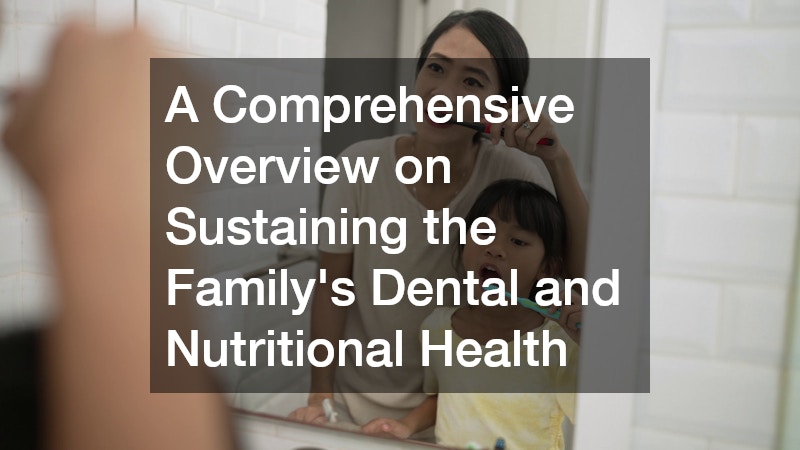
The health of a family is often measured by the strength of its smallest components—the cells nourished by the food we eat and the teeth that prepare that food for digestion. Maintaining dental and nutritional health is not a series of isolated tasks but a cohesive lifestyle. When we look at the mouth, we aren’t just looking at a smile; we are looking at the gateway to the body’s systemic health. Research has long shown that oral inflammation can lead to broader health issues, while poor nutrition can manifest first as gum disease or enamel erosion.
In this deep dive, we will explore how to integrate professional care, smart dietary choices, and daily routines to ensure every member of your family thrives.
Establishing the Foundation of Professional Care

Consistency is the bedrock of preventive health. For many families, the journey begins with finding a medical home where history is tracked and development is monitored closely. A childrens health associate plays a pivotal role in this early stage, helping parents navigate the transition from infancy to adolescence while monitoring nutritional benchmarks. These professionals ensure that physical growth is on track, which is often the first indicator that a child’s diet is meeting their biological needs.
Parallel to pediatric care is the necessity of regular oral screenings. Visiting a dentist twice a year allows for the professional removal of plaque and tartar that home brushing simply cannot reach. Beyond cleaning, these visits are educational opportunities. They provide a space where practitioners can demonstrate proper flossing techniques and screen for early signs of decay that might be exacerbated by dietary habits.
Actionable Tips for Stress-Free Visits
- Start Early with a Developmental Mindset: The “First Visit by First Birthday” rule helps desensitize children to the clinical of dentists office environment before they develop any fears, ensuring they view the chair as a normal part of their health routine rather than a scary event.
- Be Transparent and Positive with Language: Use kid-friendly, encouraging terminology when describing the tools and the chair; avoid words like “pain,” “drill,” or “shot” to reduce anticipatory anxiety and build a sense of curiosity instead.
- Maintain a Detailed Health and Symptom Diary: Keep a small log of any bleeding gums, unusual bad breath, or tooth sensitivity noted during mealtime to discuss during your appointment, as these small clues help your provider identify issues that might not be visible during a standard exam.
- Coordinate Care Across Disciplines: Request that your pediatric provider and dental professional share records or summaries, especially if a child has specific nutritional deficiencies or medical conditions that could manifest as oral health complications, ensuring a unified approach to their wellness.
- Demystify X-Rays and Screenings: Explain to older children how diagnostic tools work to see “inside the tooth,” framing the technology as a cool scientific tool that helps the doctor stay ahead of “sugar bugs” before they cause trouble.
- Schedule “Happy Visits” for Anxious Family Members: Some clinics allow for a non-clinical meet-and-greet where no work is done; this builds a rapport between the patient and the staff, establishing a foundation of trust that makes future cleanings much smoother.
The Intersection of Nutrition and Enamel Protection
What we put on our plates determines the pH balance of our mouths. The mouth is a constant battlefield between demineralization and remineralization. Acidic foods and sugars provide fuel for bacteria, while minerals like calcium and phosphorus help rebuild the tooth’s outer layer.
One of the most effective ways to manage this balance is through the consumption of family prepared meals. When you cook at home, you have total control over hidden sugars—specifically the high-fructose corn syrup often found in store-bought sauces and breads. By focusing on whole foods, you ensure that the family is getting the micronutrients necessary for strong jawbones and resilient gums.
However, health doesn’t mean social isolation. When you decide to dine out, perhaps at a local family cafe, you can still maintain your standards. Choosing water over soda and opting for sides like fresh fruit or steamed vegetables instead of fries can significantly reduce the “acid attack” duration on your teeth.
Specific Dietary Strategies
- The Water Chaser Technique: Always drink a full glass of plain water immediately after consuming acidic fruits, coffee, or wine; this helps mechanically rinse away pigments and neutralizes the mouth’s pH level before acid can soften the enamel.
- Incorporate Crunchy Detergent Foods: Add raw carrots, celery, and apples into daily lunchboxes or afternoon snacks; these high-fiber, crunchy items act as “nature’s toothbrushes” by physically scrubbing the surfaces of the teeth and stimulating saliva flow.
- Use Cheese as a Protective Buffer: Eating a small cube of aged cheese at the end of a meal can help neutralize plaque acid and provide a topical coating of calcium and phosphate, which aids in the immediate remineralization of the tooth surface.
- Optimize Vitamin D and Phosphorus Intake: Beyond just calcium, ensure the family consumes foods like fatty fish, eggs, and lean meats, as these provide the necessary phosphorus and Vitamin D required for the body to actually absorb and deposit minerals into the tooth enamel and jawbone.
- Limit “Grazing” Between Meals: Encourage structured meal times rather than constant snacking; every time you eat, the mouth becomes acidic for about 20 minutes, so frequent snacking prevents the saliva from ever returning the mouth to a safe, neutral pH.
- Be Wary of “Healthy” Sticky Foods: Items like dried cranberries, raisins, and honey may be natural, but their gummy texture allows them to cling to the grooves of molars for hours, providing a long-term feast for decay-causing bacteria.
Structural Health and Long-Term Alignment

Dental health isn’t just about the absence of cavities; it is also about the structural integrity of the bite. Crowded or misaligned teeth are significantly harder to clean, creating “blind spots” where bacteria flourish regardless of how often one brushes.
Consulting with an orthodontist is a vital step in a family’s long-term wellness plan. While many associate these specialists solely with aesthetics, their primary goal is functional health. By aligning the bite, they reduce the risk of uneven tooth wear, jaw pain (TMJ), and periodontal disease. For children, early evaluations can guide the growth of the jaw, often preventing more invasive procedures later in life.
When choosing a primary provider for routine care, many find it easiest to utilize a family dentist. Having one practitioner who understands the genetic predispositions of both parents and children allows for more personalized preventive strategies. If a parent has a history of thin enamel, the provider knows to monitor the children’s primary teeth with extra scrutiny.
Tips for Maintaining Alignment Health
- Assess Structural Growth Early: Most specialists recommend a baseline screening by age seven to catch issues like crossbites or overcrowding while the jaw is still malleable, allowing for simpler corrective interventions.
- Prioritize the Use of Night Guards: If anyone in the family shows signs of grinding their teeth (bruxism), such as morning headaches or flattened molars, a custom guard is essential to prevent micro-fractures and long-term joint damage.
- Practice and Encourage Proper Nose Breathing: Monitor children for mouth breathing, as chronic mouth breathing can cause a dry oral environment that lacks protective saliva and can negatively affect the natural development of the dental arches and jaw.
- Understand the Impact of Oral Habits: Be proactive in addressing prolonged thumb-sucking or pacifier use, as these repetitive pressures can shift the position of emerging teeth and alter the shape of the roof of the mouth, necessitating more complex orthodontic work later.
- Monitor the Impact of Wisdom Teeth: As teenagers approach adulthood, ensure their alignment is checked for the emergence of third molars; if there isn’t enough room, these teeth can push others out of place, undoing years of alignment work.
- Maintain Retention Protocols: If a family member has completed alignment treatment, emphasize the lifetime importance of wearing retainers as directed; teeth have a “memory” and will naturally attempt to drift back to their original, harder-to-clean positions.
Integrating Health into the Educational Journey
For many families, a significant portion of a child’s nutritional intake happens outside the home. This makes the selection of educational environments a health-based decision as much as an academic one. When researching the best preschool for your child, inquire about their meal and snack policies. Do they prioritize water over juice? Do they have a “brushing time” after lunch? These small institutional habits reinforce the lessons taught at home.
Similarly, the quality of care in a daycare setting matters immensely. Providers who are educated on the dangers of “bottle propping” or excessive snacking on processed crackers can prevent early childhood caries (ECC). Consistency between home and school prevents the “mixed signal” effect where a child learns to crave sugar because it is used as a reward in their care environment.
Packing the Ultimate Tooth-Friendly Lunch

- Replace the Liquid Fruit Pouch: Avoid squeezable fruit pouches, which bathe the front teeth in concentrated sugar and bypass the natural cleaning action of chewing; opt for whole, sliced fruit instead to preserve the fiber content.
- Focus on Calcium-Rich Staples: Include unsweetened yogurt or low-fat cheese sticks in the lunchbox to provide the essential calcium and protein needed for the development of both the primary and permanent tooth structures.
- Switch the Type of Bread Used for Sandwiches: Use whole-grain wraps, sprouted grain breads, or sourdough, which contain complex carbohydrates that break down into sugars more slowly than highly processed white bread, reducing the time bacteria have to produce acid.
- Choose Xylitol-Sweetened Products: If packing treats or gums, look for products sweetened with xylitol, a natural sugar substitute that has been shown to actually inhibit the growth of the bacteria that cause cavities and can increase saliva flow during the school day.
- Include a “Rinse” Beverage: If milk isn’t available, always pack a bottle of plain fluoridated water; discourage “juice boxes” which are essentially liquid sugar and lack the fiber of whole fruit that helps mitigate the insulin spike.
- Prioritize High-Protein Snacking: Foods like hard-boiled eggs or turkey roll-ups keep children satiated longer than crackers or pretzels, reducing the urge to snack frequently throughout the school day and lowering the overall sugar exposure.
Managing Transitions and Extracurricular Life

The hours between the end of school and dinner are often the most dangerous for dental and nutritional health. During after school care, children are often hungry and tired, leading to a reliance on “convenience snacks” like granola bars or fruit leather—both of which are notoriously sticky and difficult for saliva to wash away.
Active families also face the challenge of sports nutrition. The trend of consuming electrolyte-heavy sports drinks can lead to significant enamel erosion due to high acidity. It is important to treat these as “occasional” drinks rather than hydration staples.
Actionable Tips for Busy Afternoons
- Implement the 20-Minute Rinsing Rule: If a child consumes a sticky or high-carb snack while away from home, teach them to vigorously rinse their mouth with water within 20 minutes to help dislodge food particles before they fuel bacterial growth.
- Preparation is the Key to Avoiding Junk: Pre-portion “Grab-and-Go” containers of nuts, seeds, and sliced bell peppers to keep in the car or backpack, preventing the last-minute temptation of vending machines or fast-food drive-throughs during transit.
- Uphold Strict Mouthguard Discipline: Ensure any child involved in contact sports—including basketball or soccer—has a professionally fitted guard; a single impact injury can lead to a lifetime of expensive root canals, crowns, and nutritional complications.
- Differentiate Between Hunger and Thirst: Encourage children to drink a full glass of water first when they get home from school; often, the “hunger” experienced during transitions is actually mild dehydration, and filling up on water prevents mindless snacking on high-sugar foods.
- Vet Your Extracurricular Snacks: If your child participates in a team that provides communal snacks, advocate for healthier options like oranges or nuts rather than the traditional post-game sugary cupcakes or donuts.
- Establish a “Kitchen Closed” Policy: To prevent late-night snacking after the final brush of the evening, establish a time when the kitchen is closed; this ensures that no sugars or acids are introduced to the teeth during the hours when saliva production is naturally lower during sleep.
Sustaining a family’s dental and nutritional health is a marathon, not a sprint. It requires a harmonious blend of professional expertise, mindful eating, and a commitment to daily habits. By looking at the dinner table and the dental chair as two sides of the same coin, you create an environment where health is the default rather than the exception.
Ultimately, the goal is to equip every family member with the tools and knowledge to make informed choices. Whether it’s choosing water over a sugary latte or committing to that flossing routine even when tired, these small victories accumulate over decades. By prioritizing these pillars today, you aren’t just protecting smiles; you are investing in a future of vitality and well-being for the people you love most.